


FAQ for Light Demolition and Debris Removal in Northfield NJ Atlantic County

Small demolition jobs have a way of turning bigger once the first cabinet, shed wall, or section of old paneling comes down. The work may look simple, but the debris adds weight fast, and disposal rules can be confusing if you have never handled a demo project before.
This FAQ covers common questions about light demolition and debris removal in Northfield, NJ, including shed removal, kitchen tear-outs, garage cleanouts, deck removal, flooring removal, and haul-away services across Atlantic County.
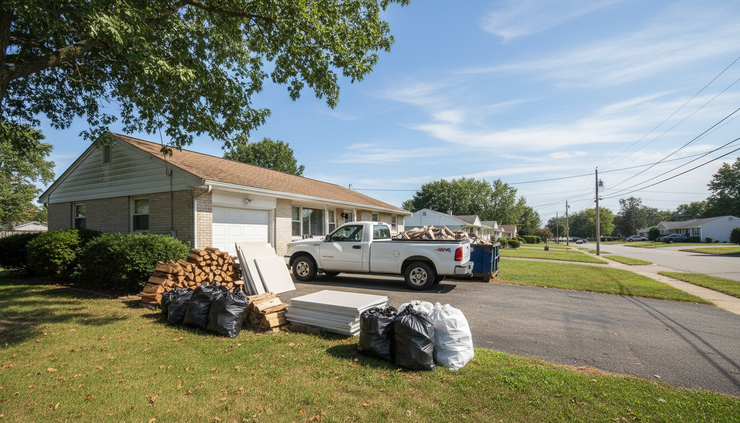
What counts as light demolition?
Light demolition usually means removing non-structural items from a home, yard, garage, or small commercial space. The goal is to take out unwanted materials without altering the main structure of the building.
Common light demo projects include:
Removing old kitchen cabinets and countertops
Pulling up carpet, vinyl, laminate, or tile flooring
Taking down small sheds
Removing old decks, railings, or steps
Tearing out bathroom vanities, toilets, tubs, or tile
Removing drywall, paneling, or drop ceilings
Clearing storm-damaged yard structures
Cleaning out garages, basements, attics, and rental units
Light demolition is different from major demolition. It usually does not include knocking down additions, removing load-bearing walls, tearing off a roof, or taking down a full house.
If the job involves electrical, plumbing, gas lines, or structural framing, the project may need a licensed trade professional or a permit before demolition begins.
What kinds of debris can be removed after a small demo job?
Most light demo jobs create mixed debris. That can include wood, drywall, cabinets, flooring, tile, metal, old fixtures, insulation, and general junk left behind after removal.
Typical debris from a Northfield home project may include:
Old cabinetry
Countertops
Shelving
Wood framing from a shed
Doors and trim
Carpet rolls and padding
Drywall
Tile
Small appliances, if accepted by the hauler
Yard debris from outdoor structures
Some materials may need special handling. Paint, chemicals, fuel, oil, asbestos-containing materials, and certain electronics may not be accepted in a standard demo load. If the home is older, materials like floor tile, siding, pipe wrap, or insulation may need testing before removal.
A good contractor will ask what is being removed before the job starts. That helps avoid delays and surprise disposal issues.
Do I need a permit for light demolition in Northfield, NJ?
Some projects may not need a permit, while others might. The answer depends on the scope of work, the property, and what is being removed.
As a general rule, simple removal of loose items, household junk, or non-attached debris usually does not require a permit. But permits may come into play when demolition affects built-in systems, exterior structures, utilities, or anything connected to the building’s safety.
Permit questions often come up for:
Shed demolition
Deck removal
Interior wall removal
Kitchen or bathroom tear-outs
Work involving plumbing or electrical connections
Removal of structures near property lines
Projects tied to renovation work
The safest move is to check with the City of Northfield construction or building office before work begins. Rules can change, and the details matter. A small shed in poor condition may be treated differently from a larger accessory structure with electric service.
Can an old shed be demolished and hauled away?
Yes, shed demo is one of the most common light demolition requests. Many older sheds in Atlantic County have rot, storm damage, leaning walls, rusted hardware, or roof leaks that make repair more trouble than it is worth.
A shed demolition usually includes:
Emptying the shed
Disconnecting any electric service, if present
Removing doors, windows, shelving, and loose parts
Taking down the roof and walls in sections
Cutting larger pieces down for loading
Hauling away wood, metal, shingles, and debris
Sweeping or raking the area
The crew may need clear access to the shed. If the shed sits behind a fence, down a narrow side yard, or in a wet area, the removal plan may take more time.
Before demolition, remove personal items, tools, lawn equipment, chemicals, and gasoline. If the shed contains old paint cans, pesticides, propane tanks, or automotive fluids, those items may require separate disposal.

Can kitchen cabinets and countertops be removed without a full remodel?
Yes. A kitchen tear-out can be handled as a stand-alone light demolition job. This is helpful when a homeowner wants to prepare the room before new cabinets, countertops, flooring, or appliances arrive.
A basic kitchen demo may include:
Removing upper and lower cabinets
Pulling out countertops
Taking out a sink after plumbing is disconnected
Removing backsplash tile
Pulling up old flooring
Hauling away debris
Utilities matter. Water lines, drain lines, electrical outlets, gas lines, and appliance connections should be handled carefully. If plumbing or wiring needs to be capped, moved, or disconnected, a licensed plumber or electrician may be needed.
For many homeowners searching for light demolition south jersey, kitchen prep is one of the most practical projects to outsource. It saves time, reduces mess, and helps keep the renovation schedule moving.
What is the difference between demolition and debris removal?
Demolition is the act of taking something apart. Debris removal is the hauling and disposal of the material after it comes down.
Some jobs need both. For example, if an old deck needs to be removed, the crew may demo the deck, cut the boards into manageable pieces, load the debris, and haul everything away.
Other jobs only need removal. If construction debris is already piled in the driveway, the work may only involve loading and disposal.
Here is a simple way to think about it:
Demolition
Debris removal
Taking apart cabinets, sheds, flooring, decks, walls, or fixtures
Loading, hauling, sorting, recycling, or disposing of leftover material
Many customers ask for both in one visit because it keeps the worksite safer and cleaner.
How should debris be prepared before pickup?
Preparation depends on the job. If a crew is handling both demo and hauling, they may do the staging themselves. If the debris is already removed, it helps to place it where the truck or trailer can reach it safely.
Helpful prep steps include:
Keep debris in one clear area
Separate household trash from construction debris when possible
Bag small loose material
Keep nails, screws, and sharp pieces contained
Move vehicles out of the driveway
Clear a path from the work area to the loading area
Keep children and pets away from the debris pile
Avoid placing debris in the street unless local rules allow it. Northfield neighborhoods vary in driveway size, curb access, and parking conditions, so a clean staging area can make a big difference.
If the debris includes heavy materials like tile, concrete, plaster, or wet wood, let the hauler know ahead of time. Weight affects loading, disposal, and equipment needs.
What items are usually not accepted in regular debris removal?
Standard demolition debris is different from household hazardous waste. Some items cannot go into the same load as wood, drywall, cabinets, or flooring.
Common problem items include:
Wet paint or paint thinner
Gasoline, oil, and automotive fluids
Propane tanks
Pesticides and pool chemicals
Asbestos-containing materials
Medical waste
Tires, depending on the hauler
Refrigerators or air conditioners with refrigerant, unless handled properly
Batteries and certain electronics
Older homes may also contain materials that need caution. If a contractor suspects asbestos, lead paint, or another regulated material, work should stop until the material is identified. Safe disposal is more important than speed.
Atlantic County residents may have separate options for household hazardous waste, recycling, and bulk items. Check local guidance before mixing questionable materials with demolition debris.

How long does a light demolition job usually take?
Many light demolition jobs can be completed in a day or less, but timing depends on access, material type, weather, and the amount of debris.
A small cabinet removal or single-room flooring tear-out may be quick. A large shed, full kitchen tear-out, or heavy tile removal can take longer. Outdoor projects may also slow down if the ground is wet or if the structure is unstable.
The best way to estimate timing is to look at:
The size of the item or room
Whether utilities are involved
How close the debris is to the truck
Whether material must be cut down
How heavy the debris is
Whether sorting is needed
Whether permits or inspections apply
Photos help when requesting an estimate. Clear pictures of the work area, access path, and debris pile can give the contractor a better idea of labor and hauling needs.
Is light demolition safe to do yourself?
Some small removal jobs are manageable for a careful homeowner. Taking down a small shelf, removing loose carpet, or clearing non-hazardous junk can be simple.
Other jobs carry real risks. Demo work can involve sharp nails, unstable structures, hidden wiring, dust, mold, broken glass, heavy materials, and disposal rules. Sheds and decks may collapse in unpredictable ways once supports are cut. Kitchens and bathrooms can hide plumbing and electrical issues behind walls and cabinets.
DIY work may make sense when:
The item is small and stable
No utilities are connected
The debris is light enough to carry
You have the right tools and safety gear
Disposal is already planned
Hiring help often makes sense when:
The structure is rotted or leaning
The debris is heavy
The job involves tile, cabinets, drywall, or decking
You need the area cleaned quickly
You are unsure what is behind the material
You do not have a truck or trailer
Safety gear matters either way. Gloves, eye protection, sturdy footwear, and dust control should be part of even a small demo project.
How is pricing usually figured for demo and debris removal?
Pricing can vary because each job has a different mix of labor, weight, disposal cost, and access. A small pile of lightweight wood is different from a room full of tile and plaster.
Common pricing factors include:
Labor time
Number of workers needed
Amount of debris
Weight of debris
Disposal or recycling fees
Distance from the work area to the truck
Stairs, tight spaces, or limited parking
Need for special tools
Hazardous or restricted materials
The clearest estimates come from good details. Share photos, measurements, and a description of what needs to be removed. Mention whether the debris is inside, outside, upstairs, in a basement, or already at the curb.
A phrase like “small pile” can mean different things to different people. Photos reduce confusion.
What areas near Northfield are often served?
Northfield sits in Atlantic County near several communities where light demo and hauling needs are common. Depending on the contractor, service may include nearby areas such as Linwood, Somers Point, Egg Harbor Township, Margate, Longport, Ventnor, Pleasantville, and parts of the greater South Jersey shore area.
Local access matters. Shore-area homes may have tight driveways, narrow streets, raised foundations, older sheds, and seasonal parking limits. Those details can affect how a crew loads debris and how long the job takes.
If the project is in a condo, rental unit, shore house, or commercial property, check building rules before scheduling. Some properties have limits on work hours, elevator use, parking, or where debris can be staged.
How can I make the job go smoothly?
A little planning helps avoid delays. Before the crew arrives, walk the area and remove anything you want to keep. Many items look like debris during a demo, especially in garages, sheds, and basements.
Good steps before service include:
Take out personal belongings
Mark anything that should stay
Make sure gates are unlocked
Move cars from the loading area
Tell the crew about hidden wires, pipes, or pests
Share any permit or property rules
Keep pets inside
Confirm what is included in the haul-away
For interior work, cover nearby items if dust is a concern. For exterior work, point out septic covers, sprinkler heads, soft ground, or fragile landscaping.
If the job includes demo, debris removal, shed demo, kitchen demo, ask whether the same crew can handle the tear-out and the haul-away together. One coordinated visit can leave the space cleaner and ready for the next step.

What should I ask before hiring a light demolition and debris removal company?
Ask practical questions before the work starts. Clear answers help set expectations and prevent surprises.
Good questions include:
What types of light demolition do you handle?
Is debris removal included?
What materials are not accepted?
Do I need to have utilities disconnected first?
Will you load from inside the home, yard, basement, or garage?
How do you protect nearby areas during removal?
Do you sweep or clean the work area after loading?
Can you provide an estimate from photos?
Are disposal fees included in the price?
What happens if hazardous material is found?
The best fit is a company that communicates clearly, explains limits, and treats the property with care. Fast removal is helpful, but clean, safe work matters more.
What is the main takeaway for Northfield homeowners?
Light demolition is often the missing first step before a cleaner yard, a ready-to-renovate kitchen, or a usable garage. The work may be smaller than a full construction project, but it still needs planning, safe removal, and proper disposal.
For homes and small properties in Northfield and nearby Atlantic County communities, the smartest approach is simple: define what needs to come out, check whether permits or utility disconnects apply, separate problem materials, and plan the haul-away before the first piece comes down.
A well-run light demo job should leave you with less clutter, fewer hazards, and a space that is ready for what comes next.


Comments